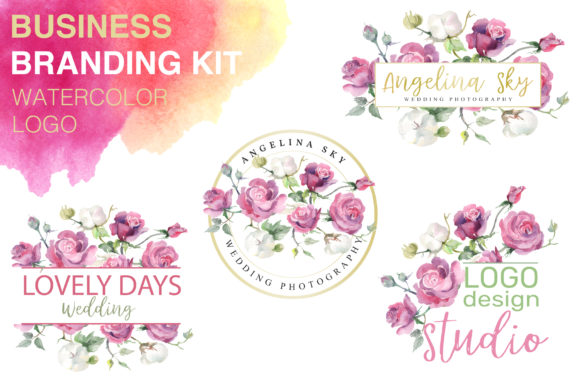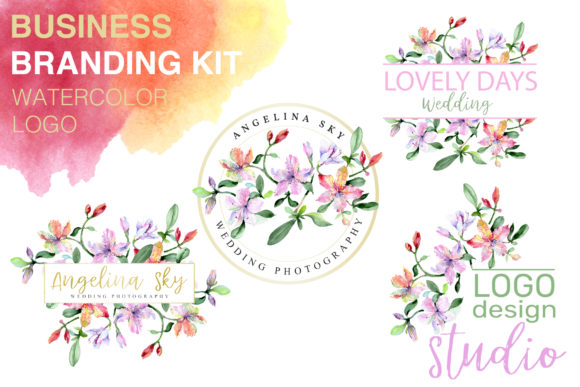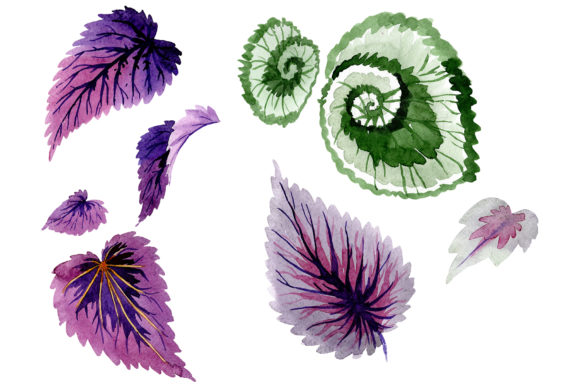
LOGO with Asters, Maple Leaves and Physalis Review
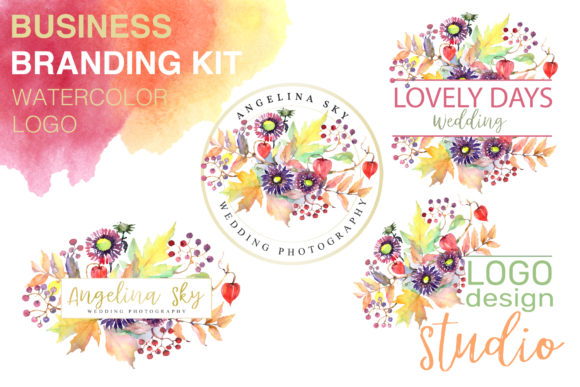
As a designer who has spent years stitching everything from delicate baby garments to heavy-duty workwear, I know that the difference between a good machine embroidery design and a great one often lies in how it translates from screen to fabric. When I first opened the file for LOGO with Asters, Maple Leaves and Physalis Watercolor, my immediate reaction was one of seasonal anticipation. This isn't just another generic floral arrangement; it is a curated composition that speaks directly to the autumn aesthetic many of us chase for our fall collections.
The visual personality of this design is soft yet structured. The watercolor style suggests a hand-painted origin, which is always a winning trait for handmade products sold on platforms like Etsy or at local craft fairs. However, translating a watercolor look into thread requires careful execution. The interplay between the sharp edges of the maple leaves and the organic, fuzzy texture of the asters and physalis creates a balanced layout that feels both natural and intentional. It avoids the cluttered look that plagues many complex illustrations, making it a strong candidate for branding or standalone art pieces.
A Real-World Test: The Custom Tote Bag Scenario
To truly evaluate this embroidery file, I imagined a specific project: creating a limited run of custom canvas tote bags for a local boutique specializing in eco-friendly goods. The goal was to create a product that felt premium but accessible, something a customer would want to carry to the farmer's market or use as a reusable grocery bag.
In this scenario, LOGO with Asters, Maple Leaves and Physalis Watercolor serves as the focal point. The design's moderate complexity allows it to stand out without overwhelming the canvas. If I were placing this on a 10x10 inch hoop, the spacing between the elements would likely hold up well, provided the stitch density is managed correctly. The watercolor effect relies heavily on the interaction of different thread colors. On a natural-colored cotton tote, the contrast would be striking, giving the finished product an artisanal feel that elevates it above standard printed merchandise.
I also considered how this design might perform on a heavier garment, like a crewneck sweatshirt. For sweatshirt embroidery, the durability of the stitch pattern is paramount. The maple leaves, with their distinct lobes, offer a great opportunity for using fill stitch to create volume and texture. The smaller details of the asters could utilize a combination of running stitch and fine satin stitches to mimic the delicate petals. If executed well, the result would be a high-value item that customers perceive as a luxury gift rather than a mass-produced commodity.
Navigating Technical Challenges and Fabric Choices
While the aesthetic appeal is undeniable, every experienced embroiderer knows that beauty can sometimes hide technical pitfalls. There are specific situations where LOGO with Asters, Maple Leaves and Physalis Watercolor requires extra caution.
First, consider the hoop size. While the design looks substantial, the intricate details of the physalis berries and the fine veins in the leaves mean that shrinking this down for a small cap or a tiny patch could lead to registration issues. If you attempt to scale this down too aggressively, the delicate lines may merge, losing the definition that makes the watercolor style so effective. I would strongly advise against using this design on curved surfaces like baseball caps unless you have significant experience with stabilizing and tension adjustments.
Fabric texture is another critical factor. On highly textured fabrics like denim or thick wool, the fine details of the asters might get lost in the weave. Conversely, on very thin or stretchy fabrics, such as jersey knit for t-shirts, the density of the fill stitches could cause puckering. In these cases, the choice of stabilizer becomes non-negotiable. You will need a heavy-duty cut-away stabilizer to support the weight of the thread and prevent the fabric from distorting during the stitching process.
Furthermore, the color palette of this design suggests it works best on light to medium backgrounds. Using this digital embroidery file on dark fabric would require a significant amount of underlay and potentially more thread changes to achieve opacity, which increases production time and cost. Before committing to a large batch, always test the design on scrap fabric that matches your final material to check for pull-through and color vibrancy.
Strategic Use for Small Business and Commercial Projects
For the Etsy seller or the owner of a small shop product line, this design offers a unique selling proposition. The "watercolor" trend remains popular because it implies creativity and human touch. By incorporating LOGO with Asters, Maple Leaves and Physalis Watercolor into your inventory, you signal to your customers that you value artistic integrity.
This design is particularly well-suited for holiday embroidery projects leading up to Thanksgiving and the winter holidays. Think of personalized gifts like pillow covers, kitchen towels, or even baby blankets. The autumn theme resonates deeply with buyers looking for seasonal decor. A nursery set featuring this motif could be marketed as a "Welcome Fall Baby" collection, tapping into the emotional connection parents have with seasonal milestones.
However, before listing any items made with this design, you must confirm the licensing terms. As a commercial embroidery asset, understanding whether you can sell the physical finished product versus the digital file itself is crucial. Most designers allow the sale of finished goods but restrict the resale of the embroidery file. Always review the license agreement to ensure your business practices remain compliant.
Practical Designer Notes for Success
- Test First: Never skip the test run. Stitch the design on a piece of the actual fabric you plan to use to verify the stitch density and color placement.
- Color Contrast: Ensure the thread colors you select provide enough contrast against the background fabric. Muted tones on muted backgrounds can look muddy if not carefully chosen.
- Stabilization: Invest in quality stabilizer. For designs with mixed textures like this, a tear-away might not suffice for thicker fabrics; opt for cut-away to maintain shape over time.
- Mockups: Create printable mockups in black and white to visualize the design's structure before purchasing thread. This helps identify potential gaps in coverage.
- Detail Inspection: Zoom in on the smallest elements, like the tips of the maple leaves, to ensure they won't disappear when stitched at your intended size.
In conclusion, LOGO with Asters, Maple Leaves and Physalis Watercolor is a versatile and visually rich asset for any serious crafter or business owner. It bridges the gap between digital illustration and tactile craftsmanship, offering a sophisticated look that enhances the perceived value of your finished product. Whether you are decorating a single personalized gift or launching a seasonal collection, this design provides the artistic flair needed to stand out in a crowded market. Just remember to respect the technical requirements of the machine and the fabric, and you will create pieces that your customers will cherish for years to come.