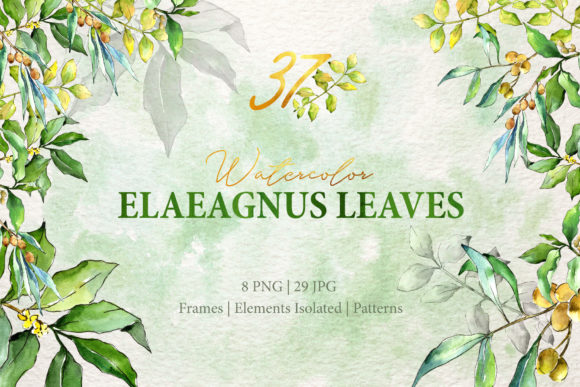
Watercolor Green Leaves Elaeagnus Review
As a designer who has spent years navigating the gap between digital files and physical thread, I approach every new machine embroidery design with a specific set of questions. Does it translate well from screen to fabric? Will it hold up under the scrutiny of a customer holding a finished product? When I first opened the file for Watercolor Green Leaves Elaeagnus, I was immediately struck by its organic flow. It belongs firmly in the Illustrations category, but unlike rigid botanical charts, this piece captures the softness of watercolor paint through stitch work. Before I recommend it for your craft business or personal projects, let’s dive into how this design actually performs in real-world scenarios.
The First Impression: Softness Meets Structure
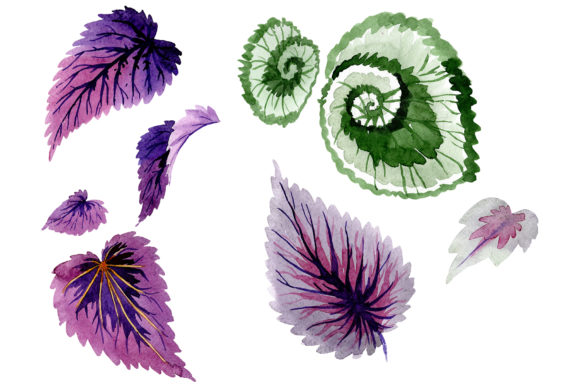
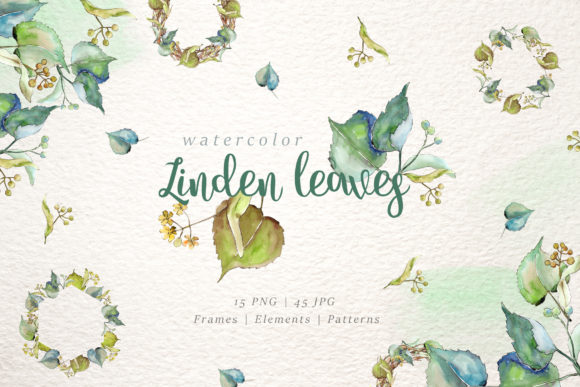
The visual personality of Watercolor Green Leaves Elaeagnus is defined by its gradient-like quality. In the digital preview, the leaves appear to bleed into one another, mimicking the wet-on-wet technique of traditional painting. For an embroidery project, this suggests a heavy reliance on varied fill stitch techniques rather than simple outlines. The layout feels balanced yet asymmetrical, which is perfect for modern aesthetics. It doesn’t scream "vintage," nor does it look overly industrial. Instead, it offers a fresh, nature-inspired vibe that fits seamlessly into current trends for sustainable and earthy home goods.
When I visualize this as a finished product, I see it working exceptionally well on items where texture matters. The design’s natural curves mean it won’t fight against the grain of the fabric, provided you choose the right material. This is not a design meant for stiff, heavy canvas; it thrives on softer surfaces where the thread can settle naturally.
A Real-World Scenario: The Custom Tote Bag Project
Let’s imagine a practical use case. You are an Etsy seller preparing a line of eco-friendly tote bags for the upcoming spring season. You want something that elevates a plain cotton bag without overwhelming it. Watercolor Green Leaves Elaeagnus becomes the centerpiece here. I envision stitching this on the front pocket or the lower third of a beige or sage green tote. The contrast would be subtle but sophisticated.
In this scenario, the stitch density becomes critical. Because the design mimics watercolor, if the density is too high, the fabric will pucker, ruining the fluid look. If it’s too low, the color gradients will look patchy. As a reviewer, my advice is to test this embroidery file on a scrap of the exact tote bag material first. Check the back of the stitching to ensure there is no excessive waste thread pulling on the fabric. If the stabilizer is correct, the result is a premium-looking custom apparel item that justifies a higher price point.
Best Applications for Small Business Merchandise
This design is incredibly versatile, but it shines brightest in specific contexts. Here is where Watercolor Green Leaves Elaeagnus delivers the most value:
- Pillow Covers and Home Decor: The organic shape works beautifully on linen or cotton blends. It adds a touch of elegance to nursery decor or living room accents without looking childish.
- Baby Embroidery Items: For onesies or bibs, the soft green tones are gender-neutral and calming. Just ensure the hoop size allows the design to breathe so it doesn’t bunch up on stretchy knit fabrics.
- Kitchen Textiles: Imagine this stitched onto a kitchen towel or apron. It fits the "farmhouse chic" aesthetic perfectly, appealing to customers looking for handmade kitchen gifts.
- Sweatshirt Embroidery: Placed on the chest or sleeve of a heavyweight sweatshirt, this design adds a boutique feel. It transforms a basic garment into a unique fashion statement.
- Embroidered Patches: If you create patches for hats or denim jackets, this design offers a great alternative to bold logos. It appeals to those seeking subtle branding.
For the small shop owner, using a design like this helps build brand consistency. It signals that you care about detail and quality, which fosters customer trust.
Where Caution Is Required
While Watercolor Green Leaves Elaeagnus is beautiful, it is not a "set it and forget it" design. There are specific situations where you need to exercise caution. First, avoid using this on very thin or highly transparent fabrics. The fill stitch required to achieve the watercolor effect can show through to the other side, creating a messy appearance. Second, be wary of dark fabrics unless you plan to use a dense underlay or white backing. Without proper contrast, the delicate greens may disappear into the background.
Also, consider the placement on curved surfaces like caps. While the leaves are flexible, tight curves on a baseball cap might distort the watercolor illusion if the digitizing isn't optimized for that specific curvature. Always check the thread colors against your fabric swatch. A design that looks vibrant on a computer screen might look muddy on certain dyes. Finally, if you are selling these as personalized gifts, remember that intricate details can get lost if the design is scaled down too small. Keep the size substantial enough to preserve the artistic integrity.
Practical Designer Notes for Success
To get the best results with Watercolor Green Leaves Elaeagnus, follow these professional guidelines:
- Test on Scrap Fabric: Never skip this step. Stitch out the design on the actual material you intend to sell. Look for puckering, thread breaks, or color blending issues.
- Check Stabilizer Needs: Watercolor effects often require a tear-away or cut-away stabilizer that supports the weight of the thread without adding bulk. Test different types to find the balance.
- Review Mockups: Create printable mockups in both black and white and full color. This helps you visualize how the design sits on the product before you commit to production.
- Licensing Check: Before listing any commercial embroidery items, confirm the license terms for this digital embroidery file. Ensure you have the right to sell finished products or if restrictions apply to digital product sellers.
- Inspect Small Details: Zoom in on the final stitch-out. Are the leaf tips sharp? Do the color transitions look smooth? Minor adjustments in tension can make a huge difference.
By treating Watercolor Green Leaves Elaeagnus with the respect it deserves, you turn a simple design asset into a standout feature of your portfolio. Whether you are making a holiday gift or stocking a boutique shelf, this design offers a blend of artistry and practicality that resonates with today's makers and buyers alike. It is a reminder that in embroidery, the magic lies not just in the pattern, but in how thoughtfully it is executed.