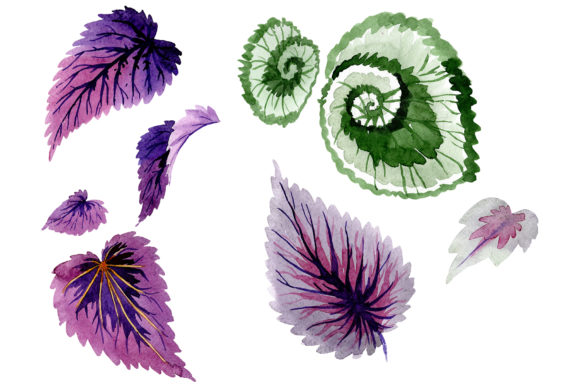
Begonia Leaves Watercolor: A Designer Review
As a designer who has spent years translating digital art into tangible thread, I approach every new machine embroidery design with a mix of excitement and skepticism. The gap between a beautiful pixelated image on a screen and the final stitched result is where many projects fail. When I first opened the file for Begonia Leaves Watercolor, I was immediately drawn to its soft, organic aesthetic. This isn't just another floral motif; it belongs firmly in the category of Illustrations that prioritize mood over rigid geometry. Before I commit this design to a client order or a small shop product line, I need to break down exactly how it performs in real-world scenarios.
The Mood and Visual Personality
The first impression of Begonia Leaves Watercolor is one of gentle elegance. The watercolor style implies a certain fluidity, which can be tricky to replicate in thread. Unlike a sharp vector graphic, this design relies on gradients and soft edges to convey its character. In an embroidery project, this means we are looking at a lot of tonal work rather than high-contrast outlines. The leaves have a natural, slightly asymmetrical shape that feels very human-made, even though it is a digital asset. This makes it perfect for brands or crafters who want their handmade product to feel curated and artistic rather than mass-produced.
When I visualize this as a tote bag design, the large, sweeping curves of the begonia leaves create a focal point that draws the eye without overwhelming the canvas. It has a calming presence, making it ideal for items like nursery decor, tea towels, or even a sophisticated apron for a boutique kitchen. The visual personality suggests freshness and growth, which translates well to spring collections or eco-friendly branding.
Real-World Application: The Custom Sweatshirt Test
To truly evaluate this embroidery file, I imagine a specific scenario: preparing a custom embroidered sweatshirt for a local coffee shop's holiday collection. The goal is to place the Begonia Leaves Watercolor on the left chest area of a heather grey fleece. Here, the challenge lies in the fabric texture. Fleece is thick and textured, which can sometimes swallow delicate details. However, because the begonia design relies on broader shapes rather than tiny, intricate lines, it holds up surprisingly well against the pile of the fabric.
In this context, the design acts as a premium accent. If I were selling these as custom apparel on Etsy, customers would likely appreciate the unique, painterly look. It elevates the sweatshirt from a basic garment to a piece of wearable art. The key here is placement. On a curved surface like a cap, I would need to be more cautious, ensuring the largest leaf doesn't get distorted by the seam. But on the flat plane of a sweatshirt or a pillow cover, the Begonia Leaves Watercolor shines. It creates a sense of depth that simple fill stitch patterns often lack.
Navigating Fabric and Hoop Challenges
While the design is versatile, there are specific situations where Begonia Leaves Watercolor requires careful handling. The watercolor effect often relies on layering colors to create shadows and highlights. If you attempt this on a very thin fabric, such as a light cotton blouse, the density of the stitching could cause puckering. I always recommend using a proper stabilizer and testing the design on scrap fabric first. This step is non-negotiable for maintaining the integrity of the finished product.
Another consideration is the hoop size. The sprawling nature of the leaves might require a larger hoop than a standard 4x4 inch frame. If you try to force this design into a tiny hoop, you risk breaking up the flow of the illustration, turning a cohesive image into disjointed fragments. For baby embroidery or small accessories like keychains, you might need to resize the design significantly. Be aware that reducing the scale too much can blur the watercolor details, making them look muddy rather than soft.
Dark fabrics present another variable. While the design looks stunning on cream or pastel backgrounds, placing it on black denim requires a strategic choice of thread colors. You may need to add a white underlay to make the lighter greens and pinks pop. Without that contrast, the subtle nuances of the watercolor style could disappear into the dark background.
Practical Notes for the Professional Maker
- Stitch Density Check: Before running your final production batch, inspect the stitch count. Areas with heavy color blending might have higher density, which increases stitching time and thread consumption.
- Color Contrast: Always test the design in black and white mockups to ensure the values distinguish themselves clearly before committing to expensive threads.
- Fabric Texture: Avoid using this design on highly textured knits unless you use a cut-away stabilizer to prevent distortion.
- Licensing Verification: As a digital product seller or Etsy seller, confirm the licensing terms. Ensure you are permitted to sell finished goods like embroidered patches or holiday gifts made with this asset.
- Mockup Presentation: Use realistic printable mockups to show potential buyers how the design sits on different products, highlighting the soft, artistic quality.
Value and Brand Consistency
Using a design like Begonia Leaves Watercolor affects more than just the look of the item; it influences customer trust and brand perception. In a competitive market for small shop merchandise, having unique, high-quality design assets sets you apart. This particular illustration signals attention to detail and a commitment to aesthetics. It tells the buyer that the creator cares about the artistry behind the finished product.
For a craft business focusing on personalized gifts, this design offers versatility. It works beautifully as a standalone motif on a pillow cover or as part of a larger composition on a blanket. The organic feel makes it suitable for weddings, baby showers, or housewarming presents. It bridges the gap between modern minimalism and traditional botanical art, appealing to a wide demographic.
Final Verdict for Your Next Project
After analyzing the structure, potential applications, and technical requirements, Begonia Leaves Watercolor earns a strong recommendation for designers looking to add a touch of sophistication to their portfolio. It is not a "set it and forget it" design; it demands respect for its subtleties. However, when executed correctly with the right stabilizer, thread colors, and fabric choice, the result is breathtaking.
Whether you are creating a commercial embroidery run for a boutique or crafting a one-of-a-kind personalized gift, this design offers a fresh alternative to generic florals. Just remember to test thoroughly, check your licensing, and let the natural beauty of the begonia leaves guide your creative process. With careful planning, this machine embroidery design can become a signature element in your handmade collection.