Purple Tulip Watercolor Flowers: A Designer Review
As someone who has spent years navigating the delicate balance between digital art and physical thread, I approach every new machine embroidery design with a mix of excitement and skepticism. The market is flooded with generic patterns, so finding a piece that truly translates well from screen to fabric is rare. Recently, I evaluated the Purple Tulip Watercolor Flowers illustration for a potential spring collection. My goal was not just to see if it looked pretty on a monitor, but to determine if it would hold up under the scrutiny of a real client project or as a flagship item in a small shop.
The First Impression: Mood and Visual Personality
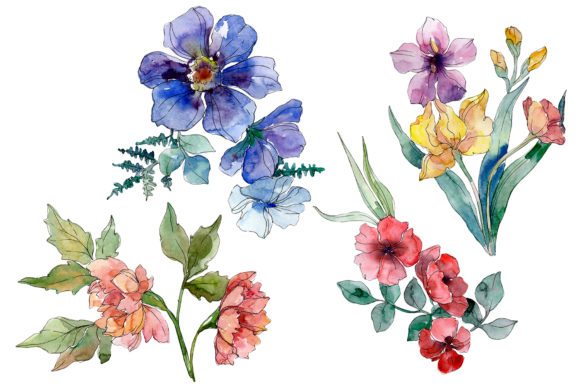
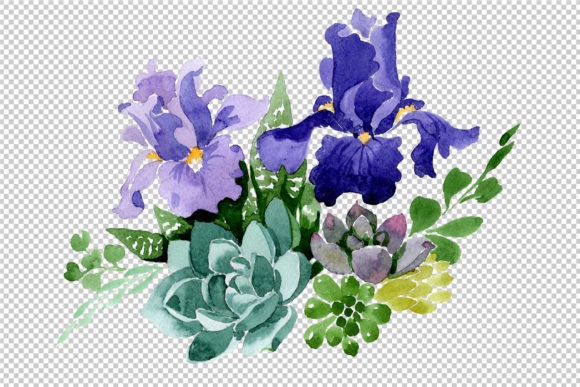
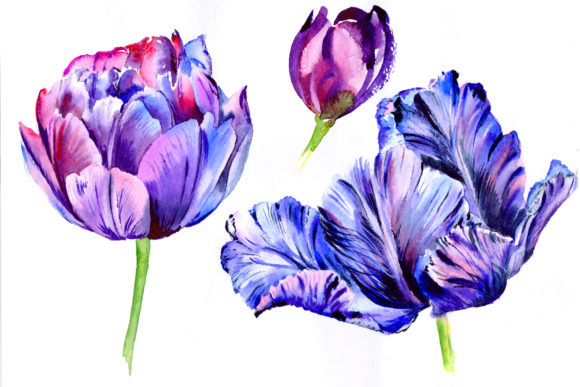
At first glance, the Purple Tulip Watercolor Flowers design exudes a soft, artistic charm. Unlike rigid, geometric floral patterns often found in standard embroidery files, this piece captures the fluidity of watercolor paint. The gradient transitions in the petals suggest depth without relying on heavy, dense stitching. For an Etsy seller or a boutique owner looking to elevate their brand aesthetic, this visual personality is a significant asset. It moves away from the "crafty" look and leans into something more curated and modern.
However, translating a watercolor effect into thread requires careful consideration. The design relies heavily on subtle shading. In a digital preview, the blending looks seamless. In reality, achieving that softness depends entirely on how the stitch density is programmed. If the fill stitch is too tight, the flowers will lose their airy feel and become stiff blobs of thread. If it is too loose, the fabric might show through, ruining the illusion of color washes. This is where the true test of the digital embroidery file begins.
A Real-World Scenario: The Custom Tote Bag Project
To put this design to the test, I imagined using Purple Tulip Watercolor Flowers for a line of custom canvas tote bags. These are high-volume items for many small business owners, and they need to withstand frequent washing and heavy use. I envisioned placing the tulips on the lower corner of a natural beige canvas bag. The contrast between the earthy fabric and the vibrant purple hues would likely create a stunning finished product.
In this scenario, the hoop size becomes critical. A tote bag offers a large, flat surface, which is ideal. However, if you were attempting to embroider this on a curved surface like a cap or a fitted sleeve, the distortion could be problematic. The organic shapes of the tulips rely on smooth curves; stretching the fabric over a curved hoop can warp these lines, making the petals look jagged rather than flowing. For a tote bag design or a pillow cover, the stability of the fabric ensures the integrity of the Illustrations remains intact.
I also considered the customer reaction. A buyer purchasing a handmade tote bag is often looking for something unique. The watercolor style suggests effort and artistry. If the stitching is clean, this embroidery project adds perceived value, allowing a maker to charge a premium price. Conversely, if the thread colors bleed or the running stitch outlines are uneven, the product feels cheap. The difference between a professional handmade product and a hobbyist attempt often lies in these details.
Navigating Fabric and Technique Challenges
While the design is beautiful, it is not universally applicable. There are specific situations where Purple Tulip Watercolor Flowers should be used with caution. For instance, on textured fabrics like denim or thick wool, the fine details of the watercolor effect may get lost. The texture of the fabric competes with the thread, potentially obscuring the delicate gradients.
Similarly, using this design on dark fabric presents a challenge. The lighter shades in the watercolor tulips might not pop against a black background unless the thread colors are carefully selected and a backing layer is used. Without proper planning, the design could appear muddy. This is why I always advise testing the design on scrap fabric first. Check the stitch density and ensure the stabilizer is appropriate. A tear-away stabilizer might work for a sweatshirt embroidery project, but a cut-away stabilizer is usually better for items that will stretch or be washed frequently.
Another area of concern is small hoop sizes. The intricate nature of the flower heads means that shrinking the design down for a tiny patch or a baby onesie could result in a loss of detail. The petals might merge together, creating a confusing shape rather than a recognizable tulip. For baby embroidery, simplicity is key, and this design might be too complex unless scaled appropriately. Always verify that the smallest elements remain distinct when resized.
Strategic Use for Commercial Success
For the creative entrepreneur, understanding where this design fits best is crucial for commercial embroidery success. It works exceptionally well as a focal point for holiday gifts, wedding favors, or personalized home decor. Imagine a set of kitchen towels featuring these flowers; the whimsical yet elegant vibe fits perfectly in a modern kitchen. As a personalized gift, it conveys thoughtfulness and taste.
When preparing printable mockups for your online store, ensure you represent the design accurately. Show the Purple Tulip Watercolor Flowers on different backgrounds to give customers a realistic expectation of the final look. Transparency builds trust. If you are selling the embroidery file itself as a digital product, provide clear guidelines on recommended hoop sizes and fabric types. This helps your customers avoid frustration and ensures they produce a high-quality result.
Practical Designer Notes for Execution
- Test Stitching: Never skip the test run on scrap fabric. Check for puckering, especially in areas with high stitch density.
- Color Contrast: Verify that the purple tones stand out against your chosen fabric. Adjust thread colors if necessary to maintain visibility.
- Stabilizer Selection: Use a high-quality stabilizer to support the weight of the fill stitches, particularly on stretchy materials.
- Licensing Check: Before selling finished items or the digital embroidery file, confirm the licensing terms. Ensure you have the right to use Purple Tulip Watercolor Flowers for commercial purposes.
- Mockup Verification: Compare light and dark fabric backgrounds in your printable mockup stage to anticipate how the design will translate.
Ultimately, Purple Tulip Watercolor Flowers is a versatile asset for designers willing to put in the technical work. It offers a fresh alternative to traditional floral motifs, perfect for those aiming to create a cohesive and professional brand identity. Whether you are decorating a single custom apparel piece or launching a full line of small shop products, the key is preparation. By respecting the nuances of the design and the limitations of the medium, you can transform this digital illustration into a tangible, high-value masterpiece that customers will love.