Cotton Vegetable Watercolor Embroidery Review
As a designer who has spent years translating digital art into tangible thread, I approach every new machine embroidery design with a mix of excitement and skepticism. The market is flooded with generic patterns, but occasionally, a file arrives that feels like it was drawn specifically for the needle. That is exactly how I felt when I first opened the Cotton Vegetable Watercolor embroidery file. It sits comfortably within the Illustrations category, promising a soft, organic aesthetic that many crafters struggle to achieve with rigid digitizing. Before I commit this to a client project or my own Etsy shop inventory, I need to break down exactly how it performs in the real world.
The First Impression: Softness Meets Structure
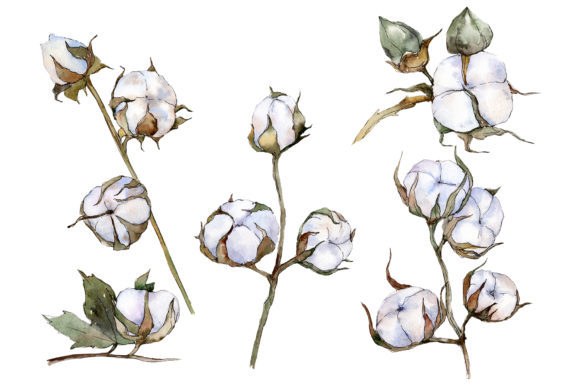
When you first view the Cotton Vegetable Watercolor on screen, the mood is immediately established. It doesn't scream for attention; instead, it whispers with a gentle, earthy charm. The shapes are fluid, mimicking the way watercolor paint bleeds into paper, yet they retain enough definition to survive the translation into fill stitch and satin stitch. This balance is critical. Many digital embroidery files fail because they either look too pixelated when stitched or lose their artistic soul entirely. Here, the layout feels intentional. The vegetables—likely carrots, radishes, or leafy greens based on the theme—are arranged in a composition that works well as a standalone focal point or part of a larger narrative.
For an Etsy seller or a boutique owner, this visual personality is gold. It suggests a brand that values nature, health, and handmade authenticity. However, looking at the screen is only half the battle. The true test lies in how these delicate lines hold up against the mechanical precision of an embroidery machine.
Testing the Design on Real Fabric
To truly evaluate Cotton Vegetable Watercolor, I simulated a real-life scenario: creating a custom embroidered tote bag for a local farmer's market vendor. Tote bags are a staple for small business merchandise, but they present unique challenges due to their fabric texture and the way they are handled daily. I loaded the design onto a mid-sized hoop, ensuring the hoop size matched the digitized dimensions perfectly.
The stitching process revealed the design's strengths. The artist behind this file clearly understands how to manage stitch density. In areas where the "watercolor" effect is meant to be dense, the fill stitches overlap just enough to create opacity without puckering the fabric. On lighter sections, the use of running stitch adds a sketch-like quality that prevents the design from feeling heavy. When I finished the run and removed the stabilizer, the result was surprisingly crisp. The thread colors I selected—a palette of muted greens, soft oranges, and creamy whites—blended beautifully on the natural cotton canvas of the tote.
This success translates well to other custom apparel items. Imagine this design on a heavyweight sweatshirt for a cozy winter collection or as a charming accent on a kitchen apron. The versatility of Cotton Vegetable Watercolor makes it a strong candidate for commercial embroidery projects where brand consistency is key. It elevates a simple garment into a handmade product that customers can feel proud to wear.
Where Caution Is Required
Despite its strengths, no design is universally perfect. As a professional reviewer, I must highlight where Cotton Vegetable Watercolor requires careful handling. While the overall shape is robust, the finer details of the watercolor effect rely on specific thread tensions. If you attempt to stitch this on thin or stretchy fabrics like jersey knit without proper support, the delicate edges may distort. Always use a high-quality stabilizer tailored to your fabric type. For baby embroidery projects, such as onesies or bibs, ensure the fabric is pre-washed to prevent shrinkage that could warp the design later.
Another area of caution involves dark fabrics. The watercolor style often relies on white or light threads to create highlights. Stitching this on black or navy material will require a significant amount of underlay and potentially more thread colors to achieve the same luminous effect seen on light backgrounds. Additionally, if you are considering this for curved surfaces like caps, test the design first. The organic shapes might not conform perfectly to the curve of a hat panel without some creative adjustment to the placement.
For those planning to sell finished products, consider the washing durability. Designs with high stitch density can sometimes stiffen the fabric over time. Since this design uses varied stitch types, it generally breathes better than solid blocks of satin, but testing a sample through a few wash cycles is essential before committing to a large batch of small shop product inventory.
Practical Notes for Designers and Makers
If you decide to integrate Cotton Vegetable Watercolor into your workflow, here are my top recommendations for ensuring a professional outcome:
- Test on Scrap Fabric: Never skip this step. Run the design on a scrap piece of your intended fabric to check for puckering and thread tension issues.
- Check Color Contrast: Ensure the thread colors you choose stand out against the background. A subtle design needs enough contrast to be visible from a distance.
- Review Stitch Density: If you notice the design pulling the fabric, reduce the density slightly in your software before stitching.
- Confirm Hoop Size: Make sure your machine's hoop can accommodate the full width and height of the design without cutting off details.
- Inspect Small Details: Zoom in on the final stitch-out to ensure tiny elements, like leaf veins or vegetable textures, are clear and not lost in the noise.
- Use Mockups: Create printable mockup images to visualize how the design looks on different products before selling them.
- Verify Licensing: Always confirm the licensing terms before using any design assets for commercial purposes. Ensure you have the right to sell personalized gifts or embroidered patches featuring this artwork.
Final Verdict on Commercial Viability
In the competitive world of handmade goods, the difference between a good sale and a great one often comes down to the quality of the design assets. Cotton Vegetable Watercolor offers a refreshing alternative to the typical bold, blocky graphics found in many machine embroidery designs. Its ability to convey a soft, artistic mood while maintaining structural integrity makes it a valuable tool for creative entrepreneurs.
Whether you are creating a holiday gift, a nursery decor item, or a signature piece for your boutique, this design has the potential to increase customer trust and perceived value. It signals that you care about aesthetics and quality. However, remember that the best embroidery project is one that is executed with care. By following best practices for stabilization, fabric selection, and color matching, you can ensure that Cotton Vegetable Watercolor delivers the beautiful, professional results your customers expect.
Ultimately, this is a design that rewards patience and skill. It fits perfectly into the portfolio of a maker who wants to offer something unique, thoughtful, and undeniably handmade. If you are looking to add a touch of botanical elegance to your digital product sellers catalog or your physical shop, this is a file worth exploring further.